
The Economics of Raising Meat Chickens
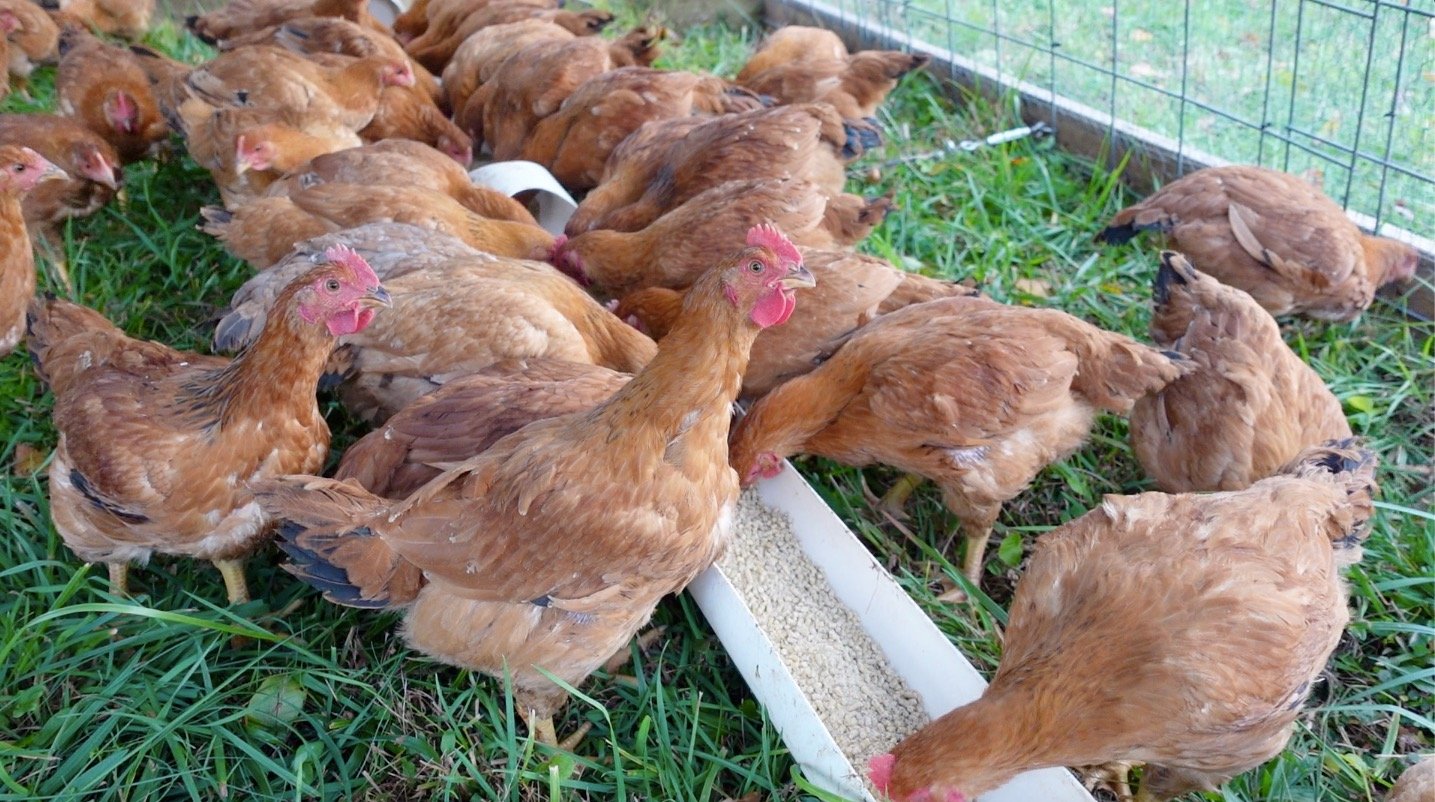
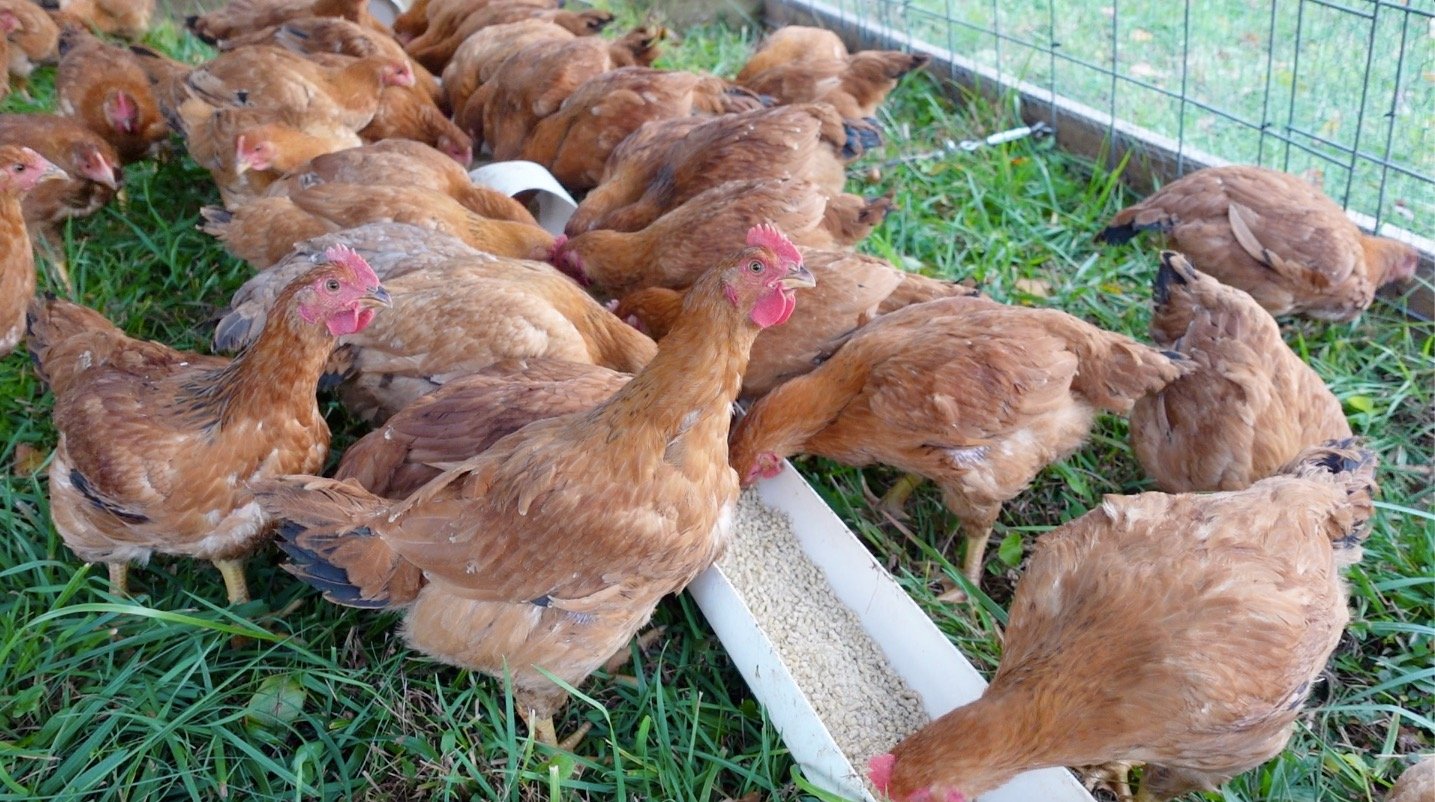
In today’s post, we’re diving into the economics of raising meat chickens at home. Many of you have followed our journey through various stages of chicken rearing, from bringing chicks home, to the butchering process. Now, it’s time to crunch the numbers and see if raising your own meat chickens is not only feasible, but also financially worthwhile.
Introduction
Raising meat chickens is not just about fulfilling a homesteading dream; it also provides a level of quality control that is rarely seen in commercial meat facilities. Chickens raised in commercial facilities may be subjected to crowded and stressful environments, as well as diets supplemented with additives and antibiotics. We value quality and transparency in food production, and chose to raise chickens on our property to ensure full control over their diet, living conditions, and overall welfare. Success starts by understanding the costs involved, so in this post, I’ll break down the expenses and considerations for raising meat chickens, providing you with a comprehensive overview of the financial considerations.
Space Requirements
First, a word about space requirements, in case this is a potential road block. A large pasture is not required to have room for raising your own meat birds. We keep our chicks in a brooder for the first 2 weeks, moving them to pasture at 14days, with supplemental heat if needed. Our two chicken tractors are 10’ x 12’ each, requiring a total of 240 sq ft of space. Because we move them twice daily, we calculate our need for fresh grass to total 480 sq ft per day, for 56 days. That’s a total of 26,880 square feet of space, or .61 acres. However, with daily moving, we find the grass can fully recover in 2-3 weeks, allowing us the opportunity to use the same space at least twice. With proper land use management, we responsibly raise 120 birds on just ⅓ of an acre. That’s equivalent to 3-4 tennis courts worth of open space.
Procuring Chicks
For us, the journey typically begins each season with a call to the Freedom Ranger Hatchery in nearby Lancaster County, PA, where we order our chicks. Most recommendations for square footage (on pasture, in a chicken tractor) recommend 1.5-3 sq ft per bird. We use 2 sq ft as our guide, allowing 60 birds per 120 sq ft tractor. We purchase 120 chicks, for our two tractors, at $1.40 per chick. Smaller quantities cost more per bird, so factor that into your plan in advance.
Feed Costs
Feed is one of the most significant ongoing expenses in raising meat chickens. We opt for high-quality, non-GMO feed from a local grain mill, which costs approximately $700 over 10 weeks for 120 birds, averaging$5.80 per bird. This would be noticeably higher if not for the twice daily chore of moving our birds to fresh grass, offering grass and insects to offset feed costs.
Consumables
Additional supplies include wood shavings, lime, and diatomaceous earth for the brooder, totaling around $15 per round. We also calculate the cost of electricity in our brooder to be roughly $50 each run for the weeks we leave the heat lamps on.
Infrastructure Investment
Setting up the infrastructure involves fixed costs such as construction of chicken tractors ($877), feeders and waterers ($217), electric fence, insulators, solar charger and grounding rod ($273), plus heat lamps and bulbs ($60). We estimated these costs will provide us with 5 years or more of use. With 2 runs per year, we conservatively estimate this investment of$1,427 to cost $142.70per run.
Butchering
While you can save money by butchering chickens yourself, we opt for a butchering service, which costs approximately $350 for 120 chickens. Additional costs include supplies for butchering day, totaling around $100.
Total Cost Analysis
When all expenses are considered (with infrastructure costs averaged out over a five-year period) the cost per bird comes to $12.32. Comparing this to store-bought organic chickens priced in excess of $20 each, the savings are evident.
Maximizing Returns
By involving friends and family interested in sharing in the project, we further offset our costs by sharing some birds. This collaborative effort not only saves money but also fosters a sense of community and shared responsibility. If we keep half of what we raise annually and sell the other half, we quickly pay for our own chicken for the entire year, costing us just time and labor.
Conclusion
Raising meat chickens can be a financially viable and rewarding endeavor, especially when considering the quality of the product and the sense of self-sufficiency it brings. By carefully planning and accounting for expenses, you can enjoy home-raised meat at a fraction of the cost of store-bought alternatives.
Get Started Today
If you’re intrigued by the idea of raising your own meat chickens, Life at the Nest encourages you to explore the resources available on my social media accounts (TikTok, Facebook, Instagram and YouTube) to learn more and take the plunge. Whether you have a small backyard or access to open pasture, there’s a chicken-raising solution that fits your needs. Feel free to reach out with any questions or share your own experiences in the comments below. I encourage you to embark on a journey of self-sustainability and wholesome living through raising meat chickens.
Comments
1 Comment
Leave a comment