
Getting Started in Gardening: Tips for Success
As winter drags on, thoughts of vibrant gardens and fresh produce can provide a welcome escape from the cold and dreary weather. If you’ve ever toyed with the idea of starting your own garden but felt unprepared, now is the perfect time to take the plunge. The recent flooding in California serves as a stark reminder of the dangers of relying on commercial food systems, making home gardening an increasingly valuable skill. With a few simple tips and some careful planning, you can embark on a rewarding journey of growing your own food.
Start Small
For novice gardeners, it’s essential to begin with a manageable plot size.Starting small allows you to gain experience without feeling overwhelmed by the demands of a larger garden. Whether you opt for containers on a patio or a small raised bed in your backyard, starting modestly sets you up for success.
Start Indoors
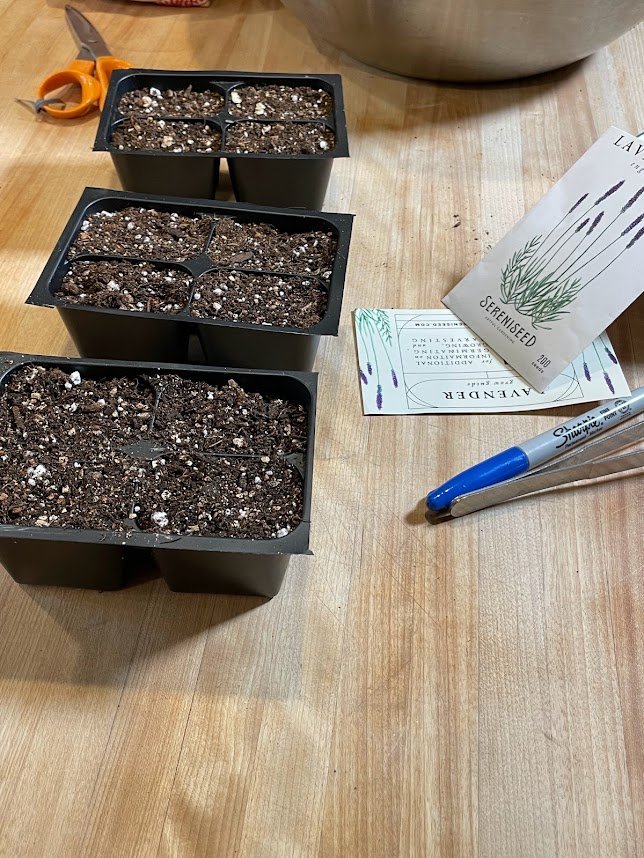
Starting your garden indoors is a game-changer, especially if you’re facing a short growing season like I do, here in Zone 6. Starting from seed indoors, provides a significant head start and a considerable cost-savings over buying established plants. Not all plants can be started indoors however, so focus on those that have a higher success rate of transfer.
**Click here for recommendations on vegetables best for indoor starts.
Root crops for example, generally do not transfer well. If you want to try, consider paper bag pots or peat pots that you can plant directly in the pot without disturbing their roots.
Hardening Off
Successful transfer relies on a period of “hardening off.” I often refer to this as “plant daycare.” Take your seedlings outside for a few hours a day, gradually increasing their exposure to new conditions; ie: direct sun, cooler temps, wind, and light rain, which will help “harden” your plants off and allow them to grow stronger. Additionally, some plants thrive in a “cold frame” or unheated greenhouse for their transfer.
Consider Seedlings
While starting from seeds can be cost-effective, it also requires careful attention to nurturing seedlings until they’re ready for transplantation. For beginners, investing in some seedlings from a garden center can provide an easier and more reliable starting point. Consider seedlings for anything you want just 1 or 2 of. Look for established plants that are already hardened off and ready for outdoor planting.
Collaborate with Others
Gardening is often more enjoyable and efficient when shared with friends or neighbors. Consider coordinating purchases of seedlings or seeds with others in your community to save money and maximize variety. Seed swaps and plant exchanges can further enhance the experience while fostering a sense of camaraderie among fellow enthusiasts.
Prioritize Nutrient-Dense Foods
When planning your garden, focus on crops that offer high nutritional value and are relatively easy to grow. Vegetables like leafy greens, peppers, beans and sweet potatoes are nutritious and fairly easy to grow. By prioritizing these nutrient-dense foods, you can maximize the yield and health benefits of your efforts.
Plan and Prepare
Effective garden planning begins well before the planting season arrives. Use the winter months to assess your space, make a list of desired crops, and organize your seeds accordingly. Take note of your garden’s sunlight exposure and growth patterns to optimize plant placement and succession planting.
Embrace the Learning Curve
Gardening is as much about trial and error as it is about nurturing plants to maturity. Be prepared to learn from your experiences, whether it’s adjusting watering schedules, managing pests, or refining your planting techniques. Each season presents new opportunities for growth and improvement.
Enjoy the Process
Above all, remember to savor the journey of gardening. Whether you’re tending to seedlings indoors, transplanting young plants, or harvesting produce, take time to appreciate the beauty and tranquility of the garden. Gardening offers not only a source of fresh, healthy food but also a connection to nature, some physical activity and a sense of accomplishment.
As you embark on your gardening adventure, know that you’re joining a community of enthusiasts who share your passion for cultivating the earth. By starting small, collaborating with others, and prioritizing nutrient-dense crops, you can create a thriving garden that nourishes both body and soul. So roll up your sleeves, dig in the dirt, and let the magic of gardening unfold. Your journey awaits, and the rewards are bountiful.
Happy Planning, Audra

Comments
No comments yet
Leave a comment