
Garden Transitions
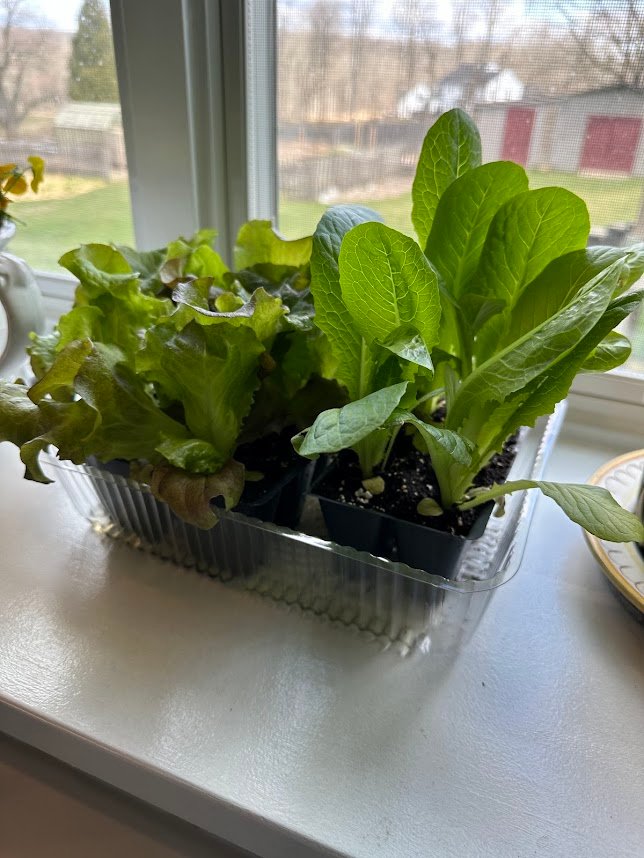
As we step into the transitional period towards gardening season, I find myself caught between the tasks indoors—tending to seedlings—and the outdoor preparations for our garden. While it’s still a few weeks away from transplanting, certain cool-weather crops like broccoli are eager to move into the garden sooner, rather than later.
Despite the calendar indicating March, our soil remains remarkably workable, a fortunate gift thanks to the mild winter we’ve experienced this year. This early advantage allowed me to prepare some beds weeks ago, and I’m continuing to enhance them as we approach planting time. In this blog, I aim to focus on the essential preparations required to ready your garden, ensuring optimal nutrition for your plants.
Before delving into the specifics of nutrient preparation, it’s crucial to address soil pH, which profoundly impacts nutrient availability. The pH scale ranges from 0 to 14, with acidic soils at the lower end and alkaline soils at the higher end. Most garden vegetables thrive in slightly acidic to neutral soil, ideally between pH 6 to 7. Therefore, it’s essential to test accordingly using a pH meter. pH adjustments should be made with lime, baking soda or wood ash to increase. Decreasing pH is a bit trickier, but can be accomplished with aluminum sulfate or sulfur from your local garden center.
Once pH levels are optimized, attention turns to nutrient supplementation, a vital aspect of maintaining healthy garden soil. Macronutrients, including nitrogen (N), phosphorus (P), and potassium (K), play a fundamental role in plant development. Nitrogen aids in leafy growth and photosynthesis, while phosphorus fosters strong roots, disease resistance, and improves flavor. Potassium contributes to overall plant hardiness and fruit development, completing the trio of essential macronutrients.
Additionally, plants require micronutrients, such as iron, zinc, and manganese, albeit in smaller quantities. These micronutrients are vital for various physiological functions, and their deficiencies can lead to stunted growth and other adverse effects. To ensure a balanced nutrient profile, soil amendments like compost, worm castings, and organic fertilizers are invaluable.
Compost, the cornerstone of organic gardening, not only enriches soil with essential nutrients but also improves its structure and water retention. Similarly, worm castings provide a potent source of organic matter and beneficial microorganisms, enhancing soil health and plant vitality. Supplementing with organic fertilizers like blood meal, bone meal, and kelp meal ensures a steady supply of macronutrients while promoting overall soil fertility.
While nutrient supplementation is quite valuable during the growing season, it’s essential to exercise caution and avoid over application, which can lead to nutrient imbalances and potential harm to plants.
I often rely on store-bought products like blood meal, bone meal, and kelp for my seedlings; however, scaling up to meet the needs of a larger garden can quickly become cost-prohibitive. That’s where homemade compost steps in, especially during the transitional period, to provide the essential nutrients my garden craves.
As we navigate the transition into gardening season, let’s embrace the opportunity to nourish our soil and cultivate bountiful harvests. Happy gardening!

Comments
No comments yet
Leave a comment