
A Guide to Hydrangea Care: Tips from Life at the Nest
As the seasons change and Spring gardening tasks start piling up, one chore that often requires immediate attention is pruning back hydrangeas. With their stunning blooms and diverse varieties, hydrangeas are a beloved addition to many gardens. However, proper care and pruning techniques are essential to ensure healthy growth and abundant blooms. In this guide, we’ll explore hydrangea care tips and pruning methods, offering valuable insights for both novice and experienced gardeners.
Understanding Hydrangea Varieties
Each with its own unique characteristics and care requirements, hydrangea are divided into 5 categories:
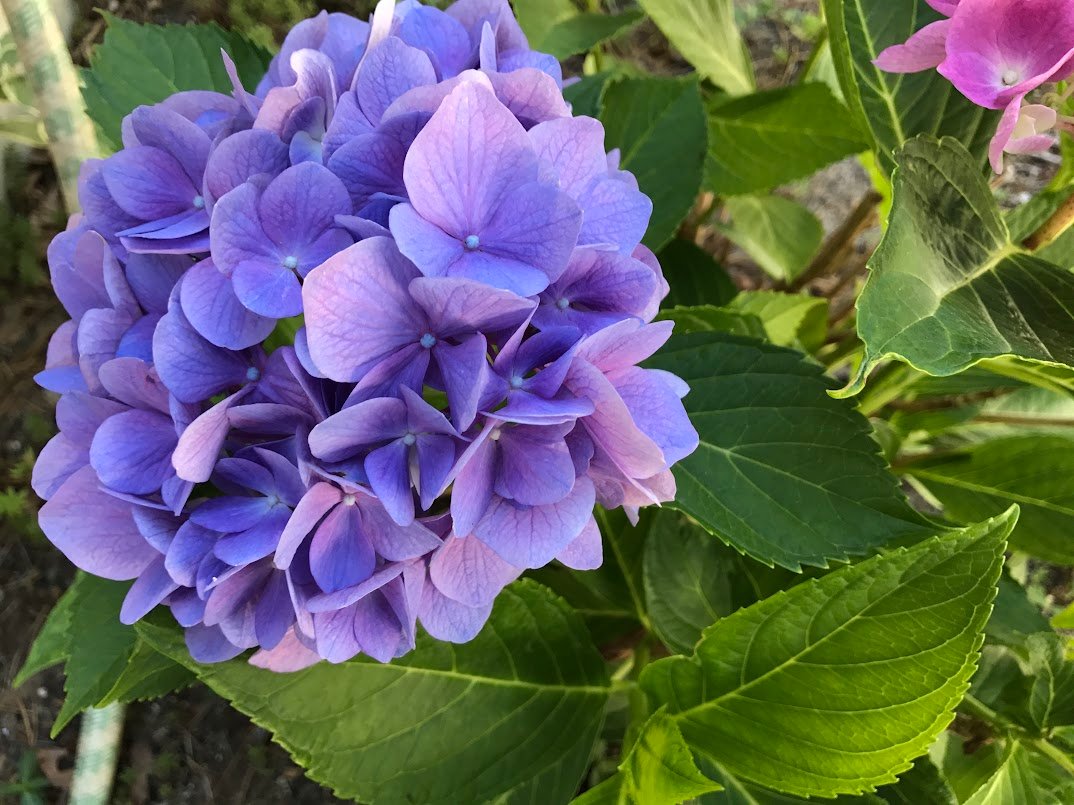
- Hydrangea Macrophylla: Recognizable for their large, mophead blooms, Macrophylla are often called “Big Leaf Hydrangea.” They are native to Japan and thrive in moist, well-drained soil. Varieties like Endless Summer and Big Easy are popular choices, with bloom colors ranging from pink to blue depending on soil pH. Macrophylla include: Mophead (Hydrangea Macrophylla), Lacecap (Hydrangea Macrophylla Normalis)and Mountain (Hydrangea Macrophylla Serrata.)
- Hydrangea Arborescens: Also known as “Smooth Hydrangea” or “Wild Hydrangea,” these native varieties are heat-tolerant and bloom on new wood. Cultivars such as Annabelle and Incrediball are prized for their white or pink blossoms and adaptability to various climates.
- Hydrangea Paniculata: Featuring elongated, cone-shaped blooms, panicle hydrangeas like Limelight and Pinky Winky are hardy and quite versatile, thriving in different climates. They bloom on new wood and can be pruned more aggressively.
- Hydrangea Quercifolia: Native to the Southeastern United States, commonly called “Oakleaf Hydrangea” these boast large, upright blooms. With a leaf pattern that mimics the shape of an oak leaf, the panicle shaped blooms transition to a stunning mix of tan and pink in the Fall. Unlike other panicle hydrangeas, they bloom on old wood and require more conservative pruning.
- Hydrangea Petiolaris: These vigorous vines, commonly called “Climbing Hydrangea” produce lacy blooms and require trellising for vertical growth. While they take longer to establish, cultivars like Miranda and Flying Saucer add a captivating charm to garden landscapes.
Pruning Techniques for Healthy Hydrangeas
Life at the Nest emphasizes the importance of timing and technique when pruning hydrangeas. Some basic pruning advice:
- Timing: Pruning encourages new growth, so late winter or early spring (after the risk of a hard frost) is the ideal time for pruning, as it allows the plant to focus on new growth without risking frost damage.
- Technique: When pruning, focus on removing dead or spindly branches, clearing debris from the base, and eliminating crisscrossing stems. Work with a sharp and clean pair of pruners. For big leaf and oakleaf hydrangeas, selectively prune to preserve old wood while encouraging new growth. Smooth and panicle hydrangeas can be pruned more aggressively since they bloom on new wood.
- Special Considerations: Climbing hydrangeas require sturdy trellising support for optimal growth and should be allowed to flourish in their natural vine form rather than being pruned into shrubs.
Additional Care Tips
In addition to pruning, here are some additional care tips to ensure vibrant, long-lasting blooms:
- Soil pH: Monitor soil pH to control bloom color for big leaf hydrangeas. Acidify soil for blue blooms and alkalize for pink blooms.
- Watering: Hydrangeas, especially big leaf varieties, require consistent watering to maintain soil moisture levels. Ensure they receive at least an inch of water per week at the roots, especially during hot, dry periods.
- Fertilization: Use a balanced fertilizer, preferably formulated for acid-loving plants, to promote healthy growth and blooms. Apply fertilizer in late winter, before new growth emerges; and again in spring and mid summer.
- Location, Location, Location: Take the time to familiarize yourself with the specific sun/shade and climate needs of the cultivar you wish to plant. Some thrive in full sun, while others will struggle.
- Fresh Flower Care: To extend the life of cut hydrangea blooms, dip freshly cut stems in alum powder before placing them in water. Refresh the water and trim stems every few days to maximize vase life.
Conclusion
With their captivating blooms and diverse varieties, hydrangeas are a favorite among gardeners worldwide. By understanding the unique characteristics and care requirements of each hydrangea type, as well as implementing proper pruning techniques, gardeners can ensure healthy, vibrant blooms season after season. Whether you’re tending to big leaf, smooth, panicle, oakleaf, or climbing hydrangeas, the tips and insights shared by Life at the Nest on Instagram, Facebook, TikTok and You Tube, can provide valuable guidance for cultivating thriving hydrangea gardens.
So roll up your sleeves, grab your pruning shears, and get ready to enjoy the beauty of hydrangeas in your garden!
Comments
No comments yet
Leave a comment